Introduction
An scr power regulator is a solid-state device used to control electrical power delivered to heating loads. By adjusting voltage through silicon-controlled rectifiers (SCRs), it enables precise and stable temperature control. In industrial heating systems, accurate power regulation directly affects product quality, energy efficiency, and equipment lifespan. Compared with traditional contactors, SCR-based solutions provide smoother output, reduce thermal shock, and support continuous operation, making them a preferred choice in modern industrial environments.
How SCR Power Regulator Works
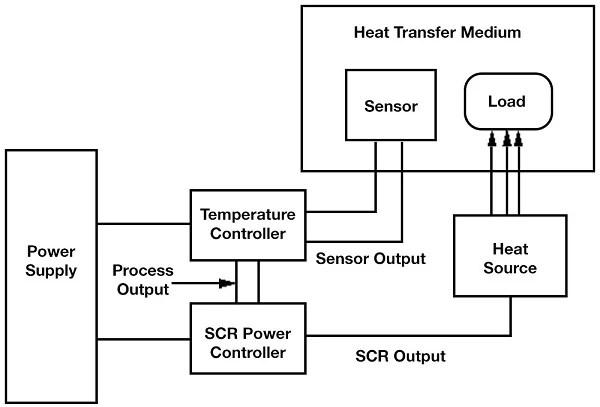
An scr power regulator controls output power by managing when SCRs conduct during each AC cycle. The two most common control methods are phase-angle firing and zero-cross firing.
Phase-angle firing delays the triggering point within each waveform, allowing only part of the voltage to pass through. This enables rapid and fine power adjustment, which is ideal for applications requiring fast temperature response. However, it may generate harmonics and electrical noise, so proper filtering or system design may be needed.
Zero-cross firing switches the load on or off at the zero-voltage point of the AC waveform. Instead of cutting individual waveforms, it delivers full cycles in controlled intervals. This method minimizes electrical interference and is better suited for heating systems with high thermal inertia, where temperature changes occur more gradually.
Key Selection Parameters
Selecting the right scr power regulator requires matching the device specifications to the application.
- Rated voltage should be equal to or higher than the system supply voltage, commonly 220V or 380V. Using a properly rated unit ensures safe and stable operation.
- Rated current must cover the maximum load current with a safety margin to handle startup or peak conditions. Undersized units may overheat or fail prematurely.
- The number of phases is determined by system scale. Single-phase regulators are suitable for smaller equipment, while three-phase units are used in high-power industrial heating to achieve better efficiency and load balance.
- Control signal compatibility is essential for integration. Common input types include 4–20 mA and 0–10 V analog signals, as well as RS485 communication for digital control with PLC or automation systems.
- Cooling method affects reliability. Natural cooling is adequate for low-power applications, while forced air cooling is typically required for higher current systems to maintain thermal stability.
Typical Applications
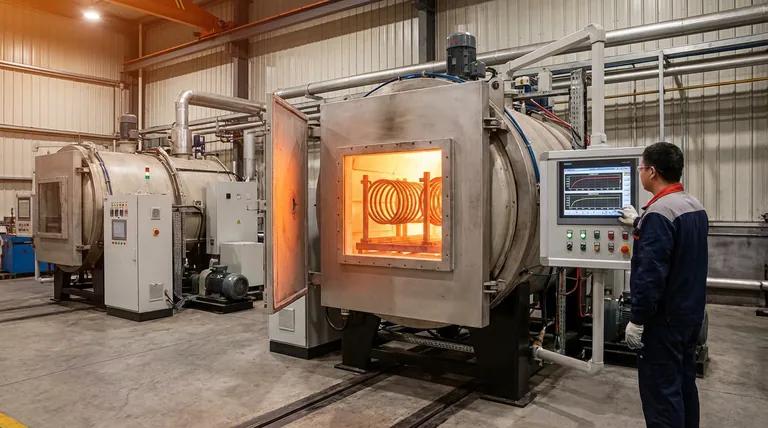
An scr power regulator is widely used in industrial heating applications. In industrial furnaces, it provides stable power control for processes such as heat treatment and material processing. In plastic manufacturing equipment like injection molding and extrusion machines, it ensures consistent heating across zones, improving product quality.
In food processing, SCR regulators are applied in ovens and drying systems to maintain uniform temperatures and optimize energy use. In semiconductor manufacturing, they support precise temperature control in high-tech processes where even small fluctuations can affect production results.