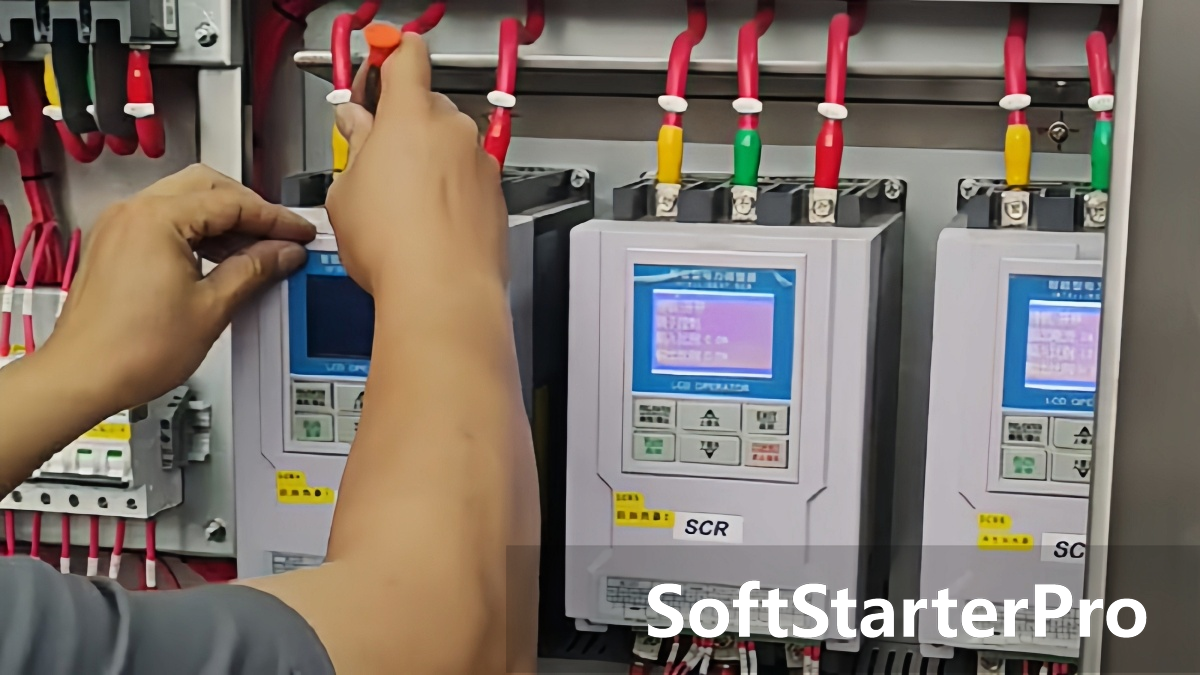
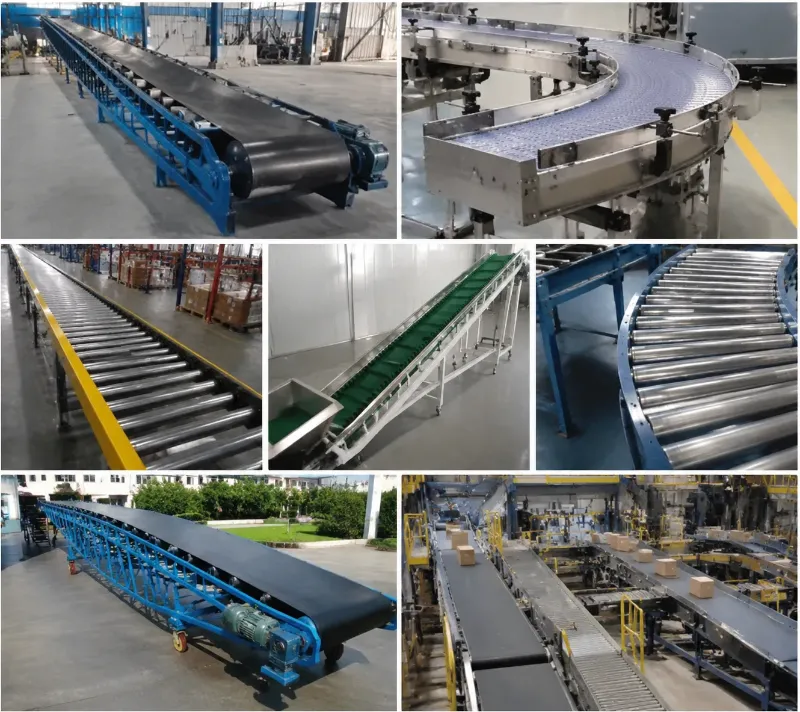
Whether you run a mining belt conveyor, a packaging line, a warehouse material handling system, or an automated production conveyor, the way you start and control the conveyor motor has a direct impact on uptime, maintenance cost, and product quality. The right motor control solution reduces mechanical shock, protects belts, gearboxes, pulleys and bearings, and helps the conveyor run more smoothly under load.
For most belt conveyor applications, the decision comes down to two main options: a soft starter or a variable frequency drive (VFD). Soft starters are usually the most practical choice when the conveyor runs at fixed speed and only needs smoother starting. VFDs are better when the system requires speed regulation, positioning control, energy optimization, or integration with automated production lines.
This guide explains how soft starters and VFDs work in conveyor applications, where each solution fits best, and how to choose the right one for your motor power, load conditions and control requirements.
Why Conveyor Motor Control Choice Matters
Choosing the right conveyor motor control solution matters because direct-on-line starting can cause high inrush current, torque surges, belt slip, gearbox shock, and premature bearing wear. A properly selected soft starter or VFD reduces mechanical stress, improves startup stability, and helps extend the life of belts, reducers, pulleys, and motors. The best choice depends on whether the conveyor runs at fixed speed or needs variable-speed control.
Soft Starters for Belt Conveyors
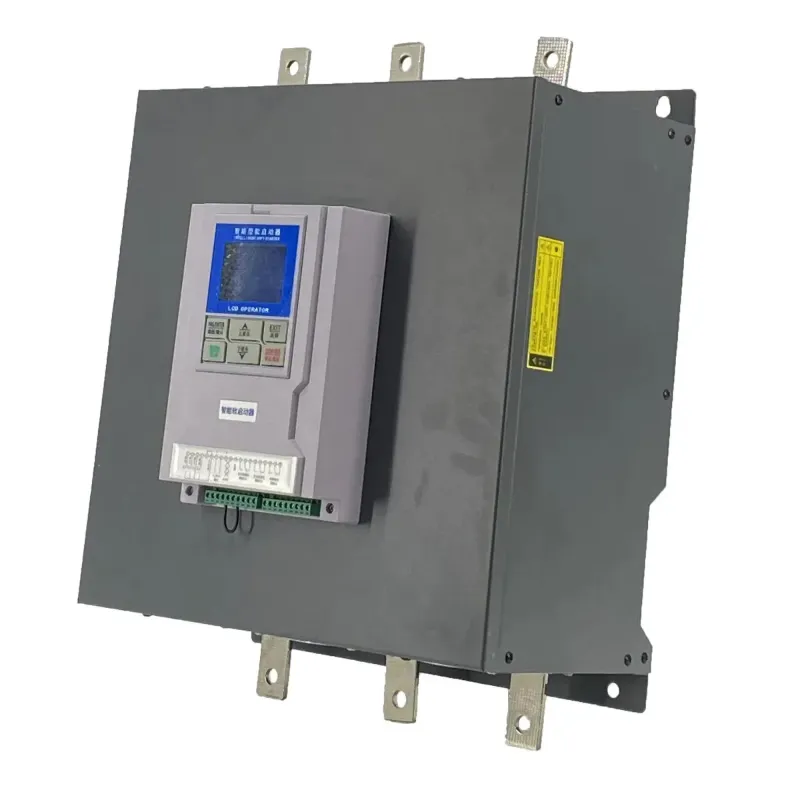
A conveyor soft starter is designed for applications where the motor runs at fixed speed after startup. It gradually increases motor voltage during acceleration, allowing the belt to reach operating speed smoothly without sudden mechanical shock.
Soft starters are especially suitable for:
- Fixed-speed belt conveyors
- Conveyors with frequent heavy-load starts
- Systems where smooth acceleration is required but speed control during operation is not needed
- Projects where installation simplicity and cost efficiency are important
Compared with more advanced drive systems, soft starters are generally easier to install, require less parameter tuning, and involve lower upfront cost. They are a practical option when the main goal is to eliminate hard starts while keeping the conveyor running at constant speed.
When selecting a soft starter, motor power, rated current, supply voltage, starting frequency, load type, and ambient temperature should all be considered. In heavy-duty conveyor applications, it is common to allow sufficient current margin to handle loaded starts and repeated acceleration cycles.
VFDs for Conveyor Systems
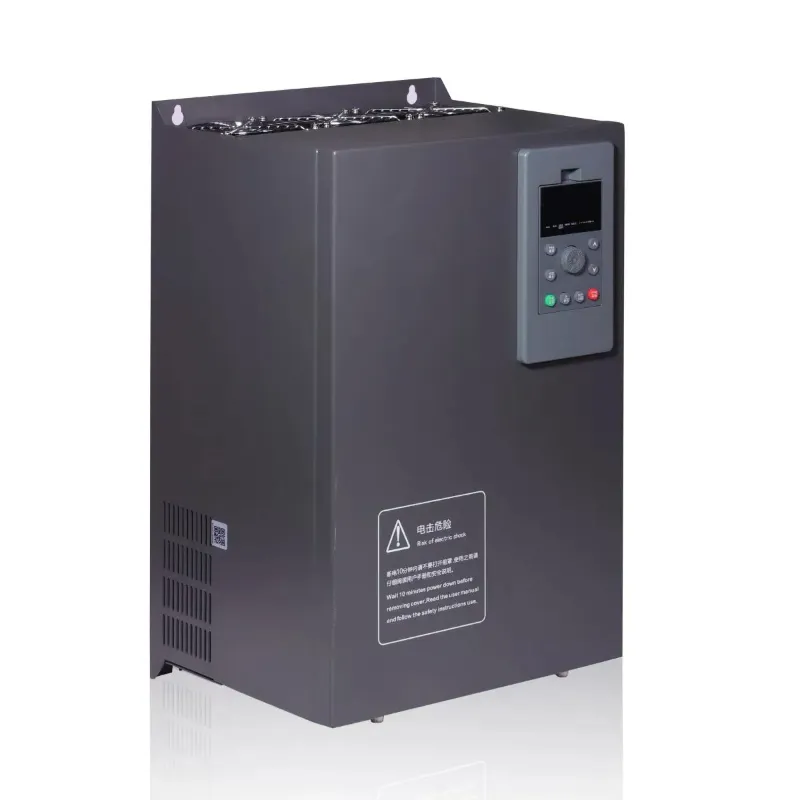
A VFD for conveyor applications provides full control over motor speed, acceleration, deceleration, and torque. Unlike a soft starter, a variable frequency drive can adjust conveyor speed during operation, making it suitable for processes that require flexible material flow, accumulation control, or synchronized line speed.
VFDs are commonly used in:
- Variable-speed belt conveyors
- Accumulation and sorting conveyors
- Packaging and food processing lines
- Mining and bulk material handling systems
- Automated production lines requiring speed synchronization
A VFD allows the conveyor to run only at the required speed instead of continuously at full speed. This can improve energy efficiency, especially when material flow varies or when the conveyor operates under partial load. It also provides controlled acceleration and deceleration, which helps reduce belt tension, product movement, and mechanical wear.
However, VFDs involve more complex setup than soft starters. Proper parameter configuration, cable routing, grounding, and harmonic considerations should be addressed during installation to ensure stable long-term operation.
| Comparison point |
Soft starter |
Variable frequency drive |
| Speed control |
Fixed speed after startup |
Adjustable speed during operation |
| Startup performance |
Smooth acceleration, reduced torque shock |
Smooth acceleration with programmable ramp |
| Stopping control |
Limited |
Soft stop, controlled deceleration |
| Energy savings |
Limited |
Possible through speed optimization |
| Installation complexity |
Lower |
Higher |
| Upfront cost |
Lower |
Higher |
| Best for |
Fixed-speed conveyors |
Variable-speed and automated lines |
Comparison: Soft Starter vs VFD
When evaluating conveyor motor control equipment, the choice between a soft starter and a VFD depends on operational requirements and budget. Soft starters typically have lower upfront costs and simpler installation, making them suitable for conveyors operating at constant speed with infrequent starts. They effectively reduce startup shock but cannot control running speed. VFDs are more expensive and involve more complex setup, yet they provide full speed regulation, programmable acceleration profiles, and energy savings. Maintenance for VFD systems may also require more technical expertise. For basic conveyors, soft starters offer an economical solution, while VFDs are better for advanced process control and variable-speed applications.
How to Choose for Your Conveyor
Selecting the right solution starts with understanding your conveyor operating conditions.
If the conveyor only needs smooth startup and runs at a fixed speed, a soft starter is usually the most practical option.
For conveyors requiring speed adjustments, positioning control, or multiple operating modes, a VFD is the better choice. Engineers should also consider load type, startup frequency, duty cycle, and future automation requirements. Heavy-load conveyors with frequent starts may benefit from the enhanced protection and control offered by VFD systems. Budget considerations are also important, especially for large-scale installations with multiple motors.
Frequently Asked Questions
Can a soft starter control conveyor speed?
No. A soft starter only controls motor voltage during startup and stopping. After the motor reaches full speed, the conveyor runs at fixed speed. If speed adjustment is required during operation, a VFD is needed.
Is a VFD always better than a soft starter for conveyors?
Not necessarily. A VFD offers more functions, but it is not always required. For simple fixed-speed belt conveyors, a soft starter can provide smooth starting, reduced mechanical stress and lower cost.
Which solution is better for heavy-load conveyors?
Both can work, depending on the application. If the conveyor only needs smooth starting at fixed speed, a properly sized soft starter may be enough. If it also needs speed control, soft stopping, torque management or automation integration, a VFD is usually more suitable.
Can VFDs help reduce energy consumption?
Yes. VFDs can reduce energy use when the conveyor does not need to run at full speed continuously. The actual savings depend on load profile, operating hours and process requirements.
How do I select the correct size?
Selection should be based on motor power, rated current, supply voltage, load type, starting frequency, ambient temperature and control requirements. For accurate sizing, share your motor nameplate data and conveyor operating conditions with the technical team.
For soft starter or VFD selection support, share your motor and conveyor requirements. Our team can recommend a suitable solution.